


Introduction
In today’s digital-first real estate market, first impressions are everything. Buyers often decide whether they’re interested in a property within seconds of viewing online photos. This is where virtual home staging comes into play.
Virtual home staging is a modern, cost-effective solution that allows real estate professionals to digitally furnish and decorate a property without physically moving a single piece of furniture. It has revolutionized how homes are marketed, making listings more attractive and helping properties sell faster.
In this comprehensive guide, we’ll explore what virtual home staging is, how it works, its benefits, costs, and why it has become an essential tool in real estate.
What Is Virtual Home Staging?
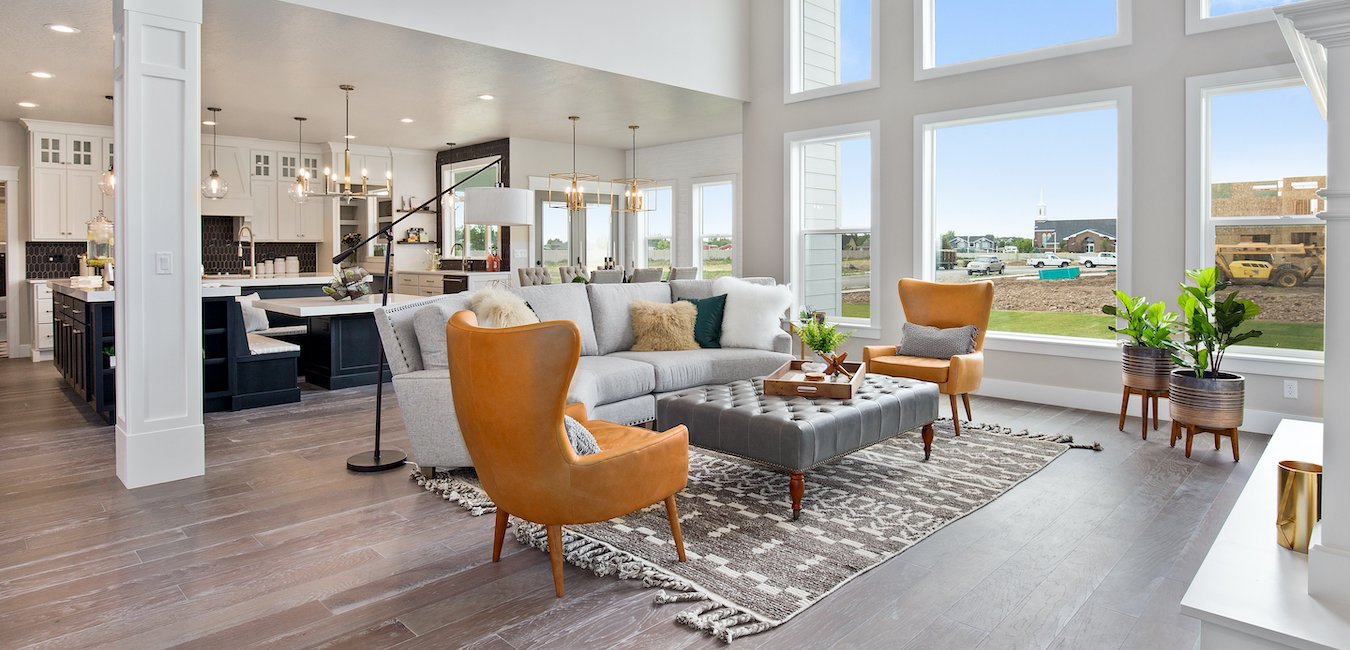
Virtual home staging is the process of using digital technology to add furniture, décor, and design elements to photos of empty or outdated spaces.
Instead of physically staging a home, designers use software to:
- Insert realistic furniture
- Adjust lighting and colors
- Create different interior styles
The result is a polished, visually appealing image that helps buyers imagine themselves living in the space.
How Virtual Home Staging Works
The process is simple yet highly effective.
Step 1: Capture High-Quality Photos
Professional photos of empty or minimally furnished rooms are taken.
Step 2: Upload to Design Software
Images are uploaded to specialized virtual staging tools.
Step 3: Add Furniture and Décor
Designers digitally place items such as:
- Sofas and beds
- Tables and chairs
- Rugs, curtains, and artwork
Step 4: Final Editing
Lighting, shadows, and textures are adjusted to make the image look realistic.
Step 5: Publish Listing
The staged images are used in online listings and marketing materials.
Benefits of Virtual Home Stagin
1. Cost-Effective Solution
Traditional staging can cost thousands of dollars. Virtual staging is significantly cheaper, often costing just a fraction of the price.
2. Faster Turnaround Time
Virtual staging can be completed within 24–48 hours, making it ideal for urgent listings.
3. Increased Buyer Interest
Staged homes attract more attention online, leading to:
- More clicks
- More inquiries
- Faster sales
4. Flexibility in Design
You can create multiple styles for the same room, such as:
- Modern
- Minimalist
- Luxury
- Family-friendly
5. No Physical Logistics
No need to move furniture, hire movers, or worry about damage.
Virtual Staging vs Traditional Staging
| Feature | Virtual Staging | Traditional Staging |
|---|---|---|
| Cost | Low | High |
| Time | Fast | Slow |
| Physical Setup | Not required | Required |
| Flexibility | High | Limited |
| Real-Life Experience | No | Yes |
While traditional staging allows buyers to experience the space physically, virtual staging excels in online marketing.
Who Uses Virtual Home Staging?
Virtual staging is widely used by:
Real Estate Agents
To make listings more attractive and competitive.
Property Developers
To showcase newly built or empty properties.
Homeowners
To sell homes faster without high staging costs.
Interior Designers
To present design concepts digitally.
Popular Styles in Virtual Home Staging
1. Modern Style
Clean lines, neutral colors, and minimal clutter.
2. Scandinavian Style
Light tones, natural materials, and simplicity.
3. Luxury Style
High-end furniture and elegant décor.
4. Family-Friendly Style
Warm, inviting spaces suitable for families.
Cost of Virtual Home Staging
The cost varies depending on quality and provider.
Average Pricing:
- Per image: $10 – $50
- Bulk packages: Lower rates per image
Compared to traditional staging, which can cost $1,000–$5,000 or more, virtual staging is highly affordable.
Key Features of High-Quality Virtual Staging
When choosing a service, look for:
- Realistic shadows and lighting
- Proper scaling of furniture
- High-resolution images
- Style consistency
Poor-quality staging can look fake and may turn buyers away.
Pros and Cons of Virtual Home Staging
Pros:
- Affordable
- Fast
- Highly customizable
- Great for online marketing
Cons:
- Not physically visible during showings
- Must be clearly disclosed to buyers
- Over-editing can mislead if not done ethically
Ethical Considerations
Transparency is important in real estate.
Best practices include:
- Clearly labeling images as “virtually staged”
- Avoiding structural changes (e.g., removing walls)
- Ensuring accuracy of space dimensions
Honesty builds trust with potential buyers.
Tips for Effective Virtual Stagin
1. Use Professional Photos
High-quality images improve results significantly.
2. Keep It Realistic
Avoid overcrowding or unrealistic furniture sizes.
3. Match the Target Market
Design according to your audience (families, professionals, etc.).
4. Highlight Key Features
Focus on important areas like:
- Living room
- Kitchen
- Master bedroom
Future of Virtual Home Staging
Virtual staging is evolving rapidly with advancements in technology.
Emerging Trends:
- AI-powered design tools
- 3D virtual tours
- Augmented reality (AR) staging
- Interactive room customization
These innovations will further enhance the buying experience.
FAQs
1. What is virtual home staging?
It is the digital process of adding furniture and décor to property photos.
2. Is virtual staging legal?
Yes, as long as it is clearly disclosed and not misleading.
3. How much does virtual staging cost?
Typically between $10 and $50 per image.
4. Does virtual staging help sell homes faster?
Yes, it increases online engagement and buyer interest.
5. Can buyers see the staged furniture in real life?
No, virtual staging is only for marketing purposes.
Conclusion
Virtual home staging has become a powerful tool in modern real estate marketing. It offers an affordable, fast, and flexible way to present properties in their best light—without the need for physical staging.
As more buyers rely on online listings, visually appealing images are no longer optional—they are essential. Virtual staging helps bridge the gap between empty spaces and buyers’ imagination, making it easier to turn interest into action.
Whether you’re a real estate agent, homeowner, or investor, adopting virtual home staging can significantly enhance your property’s appeal and increase your chances of a successful sale.
