


.
Introduction
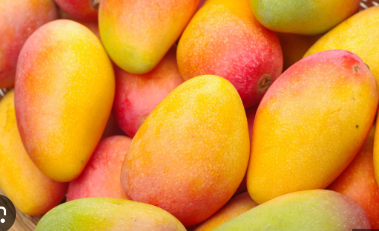
Mango is one of the most popular and delicious fruits in the world. Known for its sweet taste, vibrant color, and rich nutritional value, mango has earned the title of the “King of Fruits.” It is enjoyed by millions of people across different countries and cultures. Whether eaten fresh, blended into smoothies, or used in desserts, mango remains a favorite fruit for people of all ages.
This tropical fruit belongs to the species Mangifera indica and is native to South Asia. Today, mangoes are cultivated in many tropical and subtropical regions around the globe. Their unique flavor and numerous health benefits make them an essential part of a healthy diet.
History of Mango
The history of mango dates back more than 4,000 years. It originated in India and neighboring countries, where it has been cultivated for centuries. Ancient Indian texts and scriptures often mention mangoes, highlighting their cultural and religious significance.
Over time, traders and travelers introduced mangoes to other parts of Asia, Africa, and eventually the Americas. Today, countries such as India, Pakistan, Thailand, Mexico, Brazil, and the Philippines are among the largest producers of mangoes.
Types of Mangoes
There are hundreds of mango varieties grown worldwide. Each variety has its own unique taste, texture, and appearance. Some of the most popular types include:
Alphonso Mango
Known for its rich flavor and creamy texture, Alphonso is considered one of the finest mango varieties.
Chaunsa Mango
Popular in Pakistan, Chaunsa mangoes are extremely sweet and juicy.
Sindhri Mango
Another famous Pakistani variety, Sindhri mangoes are large, aromatic, and delicious.
Tommy Atkins Mango
Widely available in North America, this variety has a firm texture and long shelf life.
Kent Mango
Kent mangoes are known for their sweet taste and minimal fiber content.
Nutritional Value of Mango
Mangoes are packed with essential nutrients that support overall health. A single serving of mango contains:
- Vitamin C
- Vitamin A
- Vitamin E
- Potassium
- Magnesium
- Fiber
- Antioxidants
These nutrients help strengthen the immune system, improve digestion, and support healthy skin and vision.
Health Benefits of Mango
Boosts Immunity
Mangoes are rich in vitamin C and antioxidants that help the body fight infections and diseases.
Supports Digestive Health
The fiber and digestive enzymes found in mangoes promote healthy digestion and prevent constipation.
Improves Eye Health
Vitamin A in mangoes contributes to better vision and helps protect the eyes from age-related problems.
Promotes Healthy Skin
The vitamins and antioxidants in mangoes help maintain glowing skin and reduce signs of aging.
Supports Heart Health
Potassium and magnesium help regulate blood pressure and support cardiovascular health.
May Aid Weight Management
Although naturally sweet, mangoes contain fiber that helps people feel full longer, reducing unnecessary snacking.
How Mangoes Are Used
Mangoes are incredibly versatile and can be used in many ways:
Fresh Consumption
Most people enjoy mangoes fresh as a healthy and refreshing snack.
Juices and Smoothies
Mango juice and smoothies are popular beverages, especially during hot summer months.
Desserts
Mangoes are commonly used in ice creams, cakes, puddings, and sorbets.
Salads
Fresh mango slices add sweetness and flavor to fruit and vegetable salads.
Pickles and Chutneys
In many Asian countries, unripe mangoes are used to make pickles and chutneys.
Mango Farming
Mango trees thrive in warm climates with plenty of sunshine. They require well-drained soil and adequate water during the growing season. A mango tree can take several years to produce fruit, but once mature, it can continue producing mangoes for decades.
Farmers carefully monitor irrigation, fertilization, and pest control to ensure healthy crops. Modern farming techniques have significantly improved mango production and quality worldwide.
Economic Importance of Mango
Mangoes contribute significantly to the economies of many tropical countries. They generate income for farmers, exporters, and businesses involved in processing and distribution.
India remains the world’s largest producer of mangoes, while countries like Pakistan, Mexico, and Thailand also play important roles in the global mango market.
Interesting Facts About Mangoes
- Mangoes belong to the same plant family as cashews and pistachios.
- There are more than 1,000 varieties of mangoes worldwide.
- A mango tree can grow over 100 feet tall.
- Mangoes are the national fruit of India, Pakistan, and the Philippines.
- The fruit is enjoyed in both sweet and savory dishes.
Frequently Asked Questions (FAQs)
Why is mango called the King of Fruits?
Mango is called the King of Fruits because of its exceptional taste, nutritional value, and popularity around the world.
Are mangoes healthy?
Yes, mangoes are highly nutritious and contain vitamins, minerals, fiber, and antioxidants that support overall health.
Which country produces the most mangoes?
India is the largest producer of mangoes globally.
Can mangoes help with digestion?
Yes, mangoes contain fiber and digestive enzymes that support healthy digestion.
What is the best season for mangoes?
Mango season varies by region but generally occurs during the summer months.
Conclusion
Mango is much more than a delicious tropical fruit. It is a nutritional powerhouse that offers numerous health benefits while delighting people with its sweet and juicy flavor. From fresh consumption to desserts, juices, and traditional dishes, mangoes continue to play an important role in cuisines and cultures worldwide. With their rich history, economic importance, and outstanding taste, mangoes truly deserve their reputation as the King of Fruits.
