


Introduction
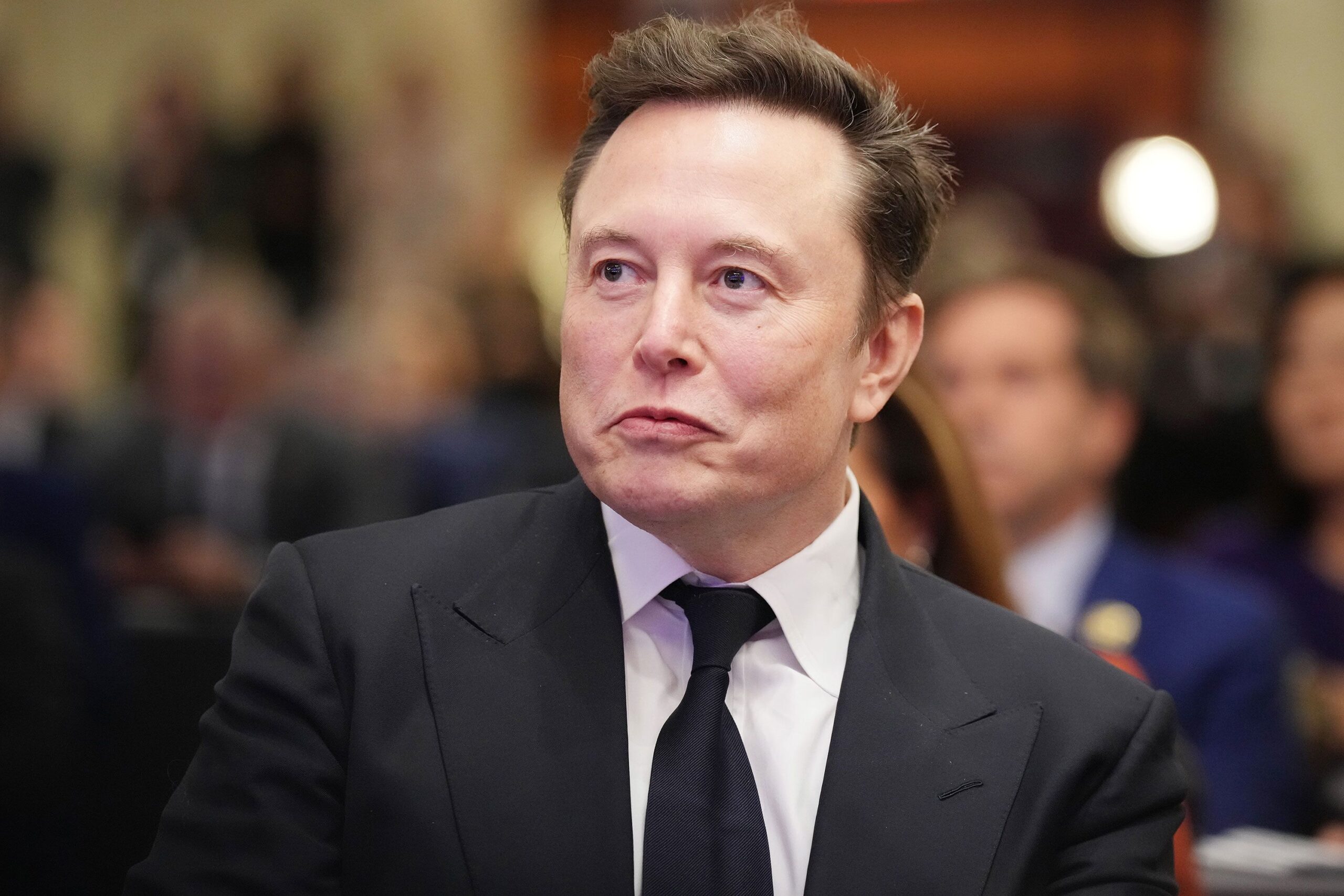
Few names in modern history resonate as powerfully as Elon Musk. Known as one of the most influential entrepreneurs of the 21st century, Musk has become synonymous with innovation, ambition, and disruption. From electric cars to space exploration, artificial intelligence to renewable energy, Musk’s ventures have redefined industries and inspired millions worldwide.
This comprehensive article explores Elon Musk’s life, career, innovations, and vision for the future—a deep dive into the man whose ideas are transforming the way we live, travel, and think about the universe.
Early Life and Background
Elon Reeve Musk was born on June 28, 1971, in Pretoria, South Africa. From an early age, Musk showed exceptional curiosity and a fascination with technology. By the age of 12, he had already taught himself programming and sold his first video game, Blastar, for $500.
After completing high school, Musk moved to Canada to attend Queen’s University, and later transferred to the University of Pennsylvania, where he earned degrees in physics and economics. His academic background laid the foundation for his future ventures, combining analytical thinking with business acumen.
In 1995, he enrolled in a PhD program at Stanford University but dropped out after just two days to pursue opportunities in the internet boom — a decision that would change his life forever.
Elon Musk’s Entrepreneurial Journey
1. Zip2 – The First Venture
Elon Musk’s entrepreneurial journey began with Zip2, a company he co-founded with his brother Kimbal Musk in 1995. Zip2 provided city guides and business directories to newspapers, making it one of the earliest online mapping services.
In 1999, Compaq acquired Zip2 for $307 million, giving Musk his first major financial breakthrough.
2. X.com and the Birth of PayPal
After Zip2, Musk founded X.com, an online financial services company aiming to revolutionize digital banking. A year later, it merged with Confinity, which operated PayPal.
PayPal quickly became the leading platform for online payments, changing the e-commerce landscape forever. In 2002, eBay acquired PayPal for $1.5 billion, and Musk earned approximately $180 million from the sale.
3. SpaceX – Making Space Travel Affordable
In 2002, Musk founded Space Exploration Technologies Corp. (SpaceX) with a bold mission: to make space travel affordable and enable humans to live on other planets.
Despite multiple rocket failures in its early years, SpaceX achieved major milestones:
- 2008: First privately-funded company to launch and recover a spacecraft (Falcon 1).
- 2012: First private spacecraft (Dragon) to deliver cargo to the International Space Station.
- 2020: Crew Dragon became the first commercial spacecraft to carry astronauts to the ISS.
Musk’s long-term goal with SpaceX is to colonize Mars and ensure the survival of humanity beyond Earth.
4. Tesla Motors – Revolutionizing Electric Vehicles
Perhaps Musk’s most well-known venture, Tesla Motors, was founded in 2003 to accelerate the world’s transition to sustainable energy.
Under Musk’s leadership, Tesla transformed from a niche electric car company into the world’s most valuable automaker, producing groundbreaking vehicles such as:
- Tesla Model S – A luxury electric sedan with record-breaking range.
- Model 3 – An affordable electric car for the mass market.
- Model X and Model Y – High-performance SUVs redefining family transportation.
- Cybertruck and Roadster (upcoming) – Next-generation designs pushing automotive boundaries.
Tesla also leads in battery technology, solar energy through SolarCity, and Autopilot AI, advancing the dream of self-driving cars.
5. Neuralink – Bridging the Human Brain and AI
Founded in 2016, Neuralink focuses on developing brain-computer interfaces (BCI) that connect human brains directly to computers.
The company’s long-term vision is to treat neurological diseases such as paralysis, Alzheimer’s, and depression — and eventually enable humans to integrate with artificial intelligence.
6. The Boring Company – Solving Traffic with Tunnels
Traffic congestion inspired Musk to create The Boring Company in 2016, aiming to build underground transportation tunnels. The project includes concepts like the Hyperloop, a high-speed vacuum tube transport system that could revolutionize urban mobility.
7. X (formerly Twitter) – Reimagining Digital Communication
In 2022, Musk acquired Twitter for $44 billion, rebranding it as X. His goal was to transform the platform into an “everything app” that integrates social networking, payments, and content creation.
The move stirred massive debate, but Musk’s hands-on management style continues to reshape how digital platforms operate.
Elon Musk’s Vision for the Future
Elon Musk’s influence extends beyond business — his overarching vision is to create a sustainable, multi-planetary civilization. His futuristic goals include:
- Reducing dependence on fossil fuels through renewable energy.
- Expanding human life beyond Earth via Mars colonization.
- Merging humans with AI to prevent technological obsolescence.
- Improving transportation efficiency with electric vehicles and underground transit.
Musk’s philosophy is deeply rooted in innovation through necessity, often saying:
“When something is important enough, you do it even if the odds are not in your favor.”
Elon Musk’s Leadership Style
Musk’s leadership is a blend of visionary ambition and relentless drive. He’s known for demanding excellence, working up to 100 hours per week, and expecting the same dedication from his teams.
While critics often call him “intense” or “controversial,” his leadership has consistently pushed industries to evolve faster than anyone thought possible. His companies share a common thread — solving humanity’s biggest problems through innovation.
Philanthropy and Social Impact
Musk is also active in philanthropy through the Musk Foundation, focusing on:
- Renewable energy research
- Space exploration
- Pediatric research
- Artificial intelligence ethics
- Education initiatives
He has also pledged to donate the majority of his wealth to causes that advance human survival and development.
Challenges and Criticisms
Despite his accomplishments, Elon Musk has faced criticism over his management style, labor disputes, and social media behavior. His outspoken nature on platforms like X (Twitter) has occasionally caused public and financial controversies.
However, Musk remains steadfast in his commitment to innovation, often reminding critics that progress requires risk, mistakes, and experimentation.
Personal Life
Elon Musk has six living children and has been married multiple times. Known for his unconventional lifestyle, Musk balances his time between multiple companies and family life. His intelligence, humor, and unpredictability continue to make him one of the most intriguing figures of the modern era.
Conclusion
Elon Musk is more than just a billionaire entrepreneur — he’s a symbol of humanity’s limitless potential. His work across electric vehicles, space exploration, AI, and infrastructure reflects a bold vision: to create a future where technology and humanity thrive together.
From Tesla to SpaceX, Neuralink to The Boring Company, Musk continues to challenge what’s possible and redefine what it means to innovate.
As the world watches his next move, one thing is clear: Elon Musk is not just building companies — he’s building the future.
